
Category: Plants

  • Grueling temperatures in during the summer months

    Grueling temperatures in during the summer months

    Whew! Summer temperatures are here a bit early again this year. Just walking from the house to the car can be grueling. If your job involves work in that grueling environment for eight to twelve hours, every day it can become dangerous enough to kill you. Outdoor workers and players should be aware and conscious of the people who work or play with them and watch for signs of distress or illness. Encourage those who work for or with you to sit in the shade and drink cool water as needed. False bravado or the desire to impress the boss, have no place in these temperatures and should be discouraged.
    If you don’t have to work outdoors, yet choose to exercise or do some of your own yard work, be sure to stay hydrated and try to work or play during the early morning or late afternoon hours when it is a little cooler.
    Following are excerpts from the Workmen’s Compensation Workplace Safety publications. Familiarize yourself with the symptoms of heat stress and heat stroke so you can take appropriate action immediately if you suspect either in yourself or someone you are with. It could save a life. Please share these with anyone you think would benefit from this knowledge.
    The human body likes to maintain a constant internal temperature and so must rid itself of excessive heat. It does this through blood circulation at the outer layers of the skin and releasing fluid onto the skin through the sweat glands. When temperatures are warmer, the skin sweating is the only way for the body to maintain a constant body temperature. This only works if the sweat is removed from the skin by evaporation. When humidity is high, the evaporation of sweat is decreased, causing body temperatures to rise significantly.
    Humans can acclimate to heat by gradual exposure to a hot environment. This process can take 5 to 7 days. Heat related illnesses are more likely to happen to people who have not gradually acclimated to hot temperatures. Accidents are more likely in hot environments due to sweaty palms, dizziness or fogging of safety glasses. Mental confusion, tiredness and irritability are signs of overheating. This can result in poor judgement and unsafe practices.
    Too much exposure to heat can cause a variety of problems and illnesses. Heat cramps are painful muscle spasms that can occur when doing hard physical labor in a hot environment. Fainting can happen when standing in one position for an extended period of time in the heat. Moving around, rather than standing still can help prevent this. Heat rash occurs when sweat does not evaporate from the skin. Sweat ducts become clogged, resulting in a rash. Heat rash could result in an infection. Take frequent breaks in a cool place during the day and bathe and dry the skin as often as possible to help prevent heat rash.
    Heat exhaustion is more serious and is caused by the loss of large amounts of fluid by sweating. This can include loss of salt as well. Signs and symptoms include headache, dizziness, weakness, mood changes (confused or irritable), feeling sick to stomach, vomiting, decreased or dark colored urine, light headed or fainting, pale clammy skin. Treat victims of heat exhaustion by moving the person to a cool, shady area, provide cool water to drink, cool the person by fanning them, cool the skin with a wet cloth, lay the victim on their back and raise legs 6 to 8 inches if they are dizzy, lay the victim on their side if nausea occurs, loosen and remove heavy clothing and stay with the victim.
    Call for emergency help if they do not feel better in a few minutes. If heat exhaustion is not treated, it may advance to heat stroke. Heat stroke is the most serious heat related illness. Heat stroke occurs when the body’s temperature regulating system fails and sweating fails or is not adequate to remove the body’s excess heat. Signs of heat stroke are dry, pale skin ( no sweating), hot red skin, mood changes (irritable, confused), seizures or fits and collapse and unconsciousness.
    Prompt first aid for someone suffering heat stroke can mean life and death and should include the same first aid as heat exhaustion plus call for emergency help, lay the person on their back unless unconscious, remove objects close by if person is having a seizure, provide cool water to drink if conscious and place ice under arm pits and in the groin area.
    People are at increased risk for heat related illnesses when they are dehydrated, fatigued, have infrequent exposure to hot temperatures and high humidity, are over the age of 40, are in poor physical condition or overweight, use certain medications (antihistamines, diuretics and some tranquilizers), have had prior heat related illnesses, use drugs or alcohol within the past 24 hours, have heat rash or sunburn or wear restrictive clothing or too much clothing.
    People and employers can protect themselves and employees by following these recommendations. Train all employees on the signs and symptoms of heat related illnesses and how to respond. Schedule the hardest work during the coolest part of the day. Encourage the buddy system so help is close by if needed. Provide plenty of cool water and encourage drinking one cup every 15 to 20 minutes. Encourage wearing light colored, loose fitting breathable (cotton) clothing. Provide frequent short breaks in cool shaded areas. Encourage employees to avoid eating large meals or consuming caffeine and alcoholic beverages before and during work in hot environments. Use fans or air conditioning. Provide tools and equipment that help reduce physical demands on employees.
    Be aware and alert to those around you. If your partner is normally friendly and suddenly becomes angry and verbally aggressive it could be the first sign of heat exhaustion. Point this out and make them take a break. It is really a dangerous work and play environment in Florida during the summer months.
  • July a very wet month

    July a very wet month

    Second only to August, July is one of the hottest months with high temperatures averaging 90 degrees and lows averaging 75 degrees. We can expect at least 8 inches of rain making July a very wet month.
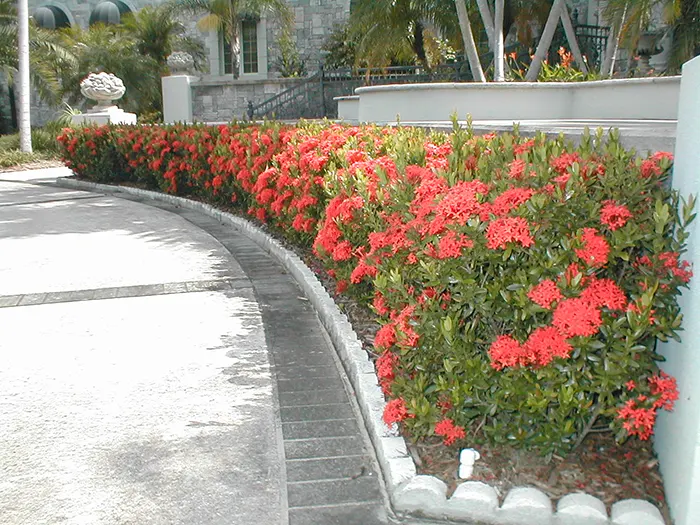
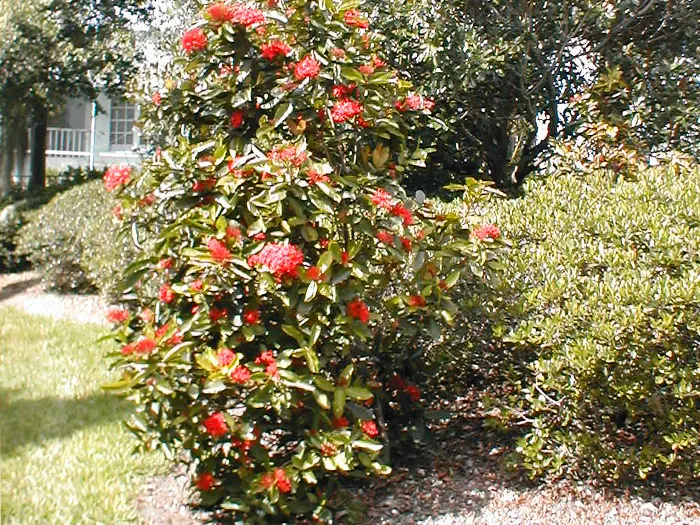
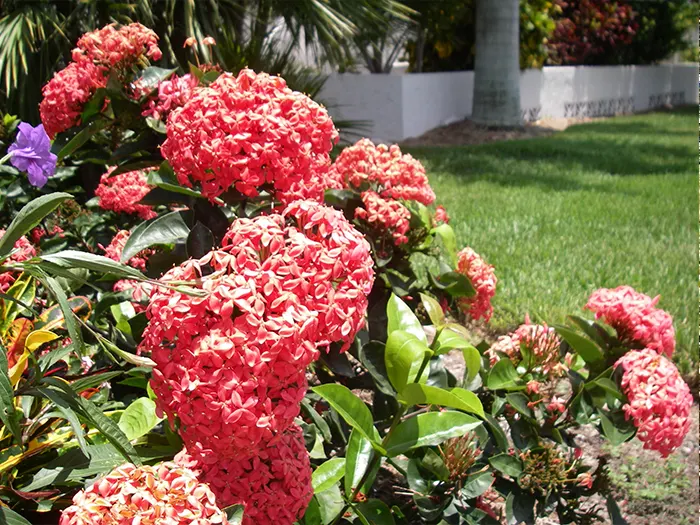
    Heavy summer rains can cause nutritional deficiencies in some plants and annuals by washing nutrients through our sandy soil. An application of iron should green them up again. Watch your azaleas and feed them by late spring for strong growth that will give you flowers next spring. It is really too late to prune your azaleas without affecting next years’ flowers. Hibiscus and ixora are in their glory during the hot summer months. A feeding of 8-0-8, or similar analysis, before the summer rains begin, will help keep the flowers on the plant. If they have been subjected to standing or copious amounts of water do not water or fertilize them until they have had a chance to dry out. This is a good time to prune back hibiscus, ixora and oleander to control their size and encourage healthy new growth.
    Citrus trees need to be fertilized if you did not do it in June. This feeding will help your crop mature. Fertilizer should be scattered evenly beneath the canopy of the tree. Be sure not to have fertilizer come in contact with the trunk of any plant. It can cause severe burn and rot of the bark resulting in poor health and possibly eventual death.
    Do not fertilize your St. Augustine lawn in July. Bahia also needs very little fertilizer. If your bahia lawn shows need for fertilizer you should have applied a light application of ammonium nitrate in late spring to revive it. Apply to a dry lawn and water in immediately to avoid burning the blades of grass. Be sure not to scalp your lawn too short to avoid scorching of the crown and roots by the hot summer sun. This is a good time of year to grow roots in your lawn. Remember, the longer the blade the deeper the root. However, it is also important to remember to mow frequently enough to avoid mowing more than one-third of the blades at a time. This can prove difficult when summer rain storms can dump five or ten inches at a time. Take advantage of the rains to sprig St. Augustine Aplugs@ or Bahia seed in any bare spots in your lawn. Chinch bugs, sod webworms and mole crickets are all active so watch for and treat as necessary. Areas damaged in the dry spring months will be more susceptible to both insect and disease problems. Watch for leaf and root disease on St. Augustine grass. A preventative treatment of fungicide would help ward off disease problems in spring stressed lawns. A fungicide such as Banner Maxx, Bayleton, Eagle, Heritage or Cleary 3336 can be used as a preventative treatment for Take-all Patch or other diseases on your lawn.
    Scale, aphids and chewing insects can all be a problem on your ornamentals in July. Worms and weevils will chew along the edges of the leaves, while grasshoppers and katydids chew holes in the center of leaves.
    Diseases are active on ornamentals, flowers and vegetables. Watch for powdery mildew, leaf spots, blights and rots. This is a good time to prune your plants by removing crossing or diseased branches. Timely treatment with a fungicide and good housekeeping of fallen leaves and twigs will help keep diseases in control.
    Some annuals to plant for the hot weather include daisies, zinnias, marigolds, pentas, lantana, salvia, or vinca. Divide crowded beds of bulbs and rhizomes when they stop blooming to assure larger blooms next year.
    Fruits which ripen in July include avocado, carambola, guava, mango, natal plum, passion fruit, papaya and pineapple. This is a good time to plant fruit trees and bananas.
    If you planted your poinsettias after Christmas they may need some attention. Scab can be a problem in July. This is a disease which looks like a scab on your skin and can be controlled with copper fungicide. Prune poinsettias now to promote branching which will result in more bracts (flowers) this winter. Watch for horn worms as they can defoliate a plant in just a few days. The horn worm is a large green worm with a sprig on its posterior end. Its light green color blends in with the foliage so look closely to find it.
    Be sure to keep your roses fertilized after every flush of bloom. You may need to spray on a weekly basis to control black spot and powdery mildew.
    Some flowering plants now blooming are ixora, flame-vine, crape myrtle, hibiscus, and one of the most beautiful, the night blooming cereus. It is worth a trip outside after dark to see this one.
    You will need to pay close attention to your lawn and shrubs now since insect pests and disease are very active in the hot, wet month of July. This is not a month for faint of heart gardeners!
  • Symptoms of nutritional deficiencies in rainy summer season

    Symptoms of nutritional deficiencies in rainy summer season

    As we begin our rainy summer season the following is a guide to help you with the symptoms of various nutritional deficiencies that you might notice. This can help you decide which, if any, fertilizer to use.
    There are sixteen known elements required for healthy plants. Three of these, carbon (C), hydrogen (H) and oxygen (O) all can be obtained directly from air and water. The other thirteen elements are supplied through the soil. These are nitrogen (N), phosphorus (P), potassium (K), calcium (Ca), magnesium (Mg), sulfur (S), chlorine (Cl), copper (Cu), zinc (Zn), manganese (Mn), iron (Fe), boron (B), and molybdenum (Mo).
    Each of these elements has a specific function in plant growth and development. If one or more of these nutrients are present in excessive amounts, toxicity or a nutrient imbalance can occur. Or if one or more of these essential elements are in short supply a deficiency can result. Either way plant growth and/or quality may be affected.
    The nutrients, nitrogen, phosphorus and potassium are the main components, or macro-nutrients, of fertilizer. Sulfur, the remaining macro-nutrient, may not be a component of fertilizer and should not be overlooked. Look for fertilizer containing sulfur coated urea nitrogen.
    The micro-nutrients to be used sparingly are boron, copper, iron, manganese, molybdenum, and zinc. Chlorine ordinarily is not valued as a plant food in fertilizer. It can be injurious if high percentages are present, but small amounts may be beneficial under some conditions. If you have plants or lawn around your pool equipment or overflow which don’t do well it may be chlorine toxicity.
    Micro-nutrients are required by plants in low quantities so you should apply them cautiously. If a deficiency is suspected, it would be unwise to randomly apply all of the micro-nutrients. The result might be correction of one deficiency while inducing a toxicity of another micro-nutrient. Foliar analysis is the most accurate way to determine if a micro-nutrient deficiency needs correcting. The Collier County Extension Office can help you with this test. Individual micro-nutrients are available with suggested rates provided for application. However, it is essential that all micro-nutrients be provided in your fertilizer program at least once a year. Fertilizer formulations are available for shrubs, citrus, palms, etc. containing a good balance of these necessary micro-nutrients. Nutritional sprays are liquid formulations that contain the micro-nutrients. These sprays allow the elements to enter the plant through the leaf surfaces. The micro-nutrients can be tied up in our alkaline soil, due to improper pH, when applied as a granular fertilizer and may not be available to the plant. Therefore, when a micro-nutrient deficiency is apparent, it is more effective to apply a nutritional spray.
    General symptoms of nutrient deficiencies are as follows:
    Nitrogen – yellowing of entire plant with lower leaves worse and stunted.
    Phosphorus – main veins of old leaves become purple or reddish. On fruit trees blossoms drop, fruit is small and matures slowly and few flower buds are formed for next year’s crop.
    Potassium – light yellowing, then browning of leaf margins on old leaves. Then veins become yellow.
    Manganese – mottled yellowing between midrib and primary veins. Entire leaf may turn yellow but midrib and large veins stay green longest. Frizzle top, yellowing, dwarfing and distortion.
    Iron – pronounced yellowing on younger leaves, with veins appearing as a pale green or yellow to white if acute. Dwarf leaves, leaf fall, dead wood, dead tips and reduced growth.
    Magnesium – yellowing begins on the margin and near the center of old leaf, progresses inward and downward; the tip, upper margin and lower central veins may remain green; necrosis and leaf drop.
    Molybdenum – often mistaken for herbicide damage. Dwarfed leaves with irregular, wrinkled margins and prominent midribs and main veins on young leaves and shoots.
    Boron – plants grow slowly. Terminal buds die and plant tends to be bushy. Later, lateral buds die, leaves thicken and fruits, tubers and roots become cracked and discolored.
    Copper – usually confined to peat or muck soils. Slow growth or complete cessation of growth. Tips affected first and eventually die back.
    Zinc – leaves become long and narrow, then turn yellow and become mottled with dead areas. Symptoms similar to iron deficiency.
    To avoid the above problems your plants should get a good feeding in the spring months using a quality slow release fertilizer with minors. If you notice symptoms in your plants after many heavy summer rain storms give them a light feeding to get them through the rest of the summer until you do another complete fertilizing in the fall.
    Fertilizer is fast becoming an issue as the waters of the Gulf of Mexico continue to decline in health. While fertilizer is not the only culprit, it is definitely one of the players. Lawns, trees and shrubs do not need as much fertilizer as some would have you think. Begin with twice a year for your shrubs and then just fertilize those that are showing signs of need. Palms and citrus are two exceptions needing three to four applications a year. Most native plants in your yard should breeze right through the seasons with almost no needs at all. When in doubt send a soil or tissue sample to determine the plant’s exact needs. You can find the information on how to do this at the University of Florida web site. If we all do our part, perhaps we can slow down the decline of the waters that surround us.
  • Yellowing of lawns

    Yellowing of lawns

    What can cause yellowing St. Augustine lawns? My own lawn suffers every year from yellowing that can be caused by excessive growth and loss of nutrients from heavy summer rainfall. Every year at the beginning of September I watch as my lawn turns an undesirable yellow color. The soil here in Old Marco is basically shell. Digging a garden requires a pick ax and lots of brawn. This type of soil does not hold its nutrients and needs its fall fertilizer sooner than a lawn with more desirable soil. Another great example of how fertilizer black out dates can be harmful to some plants, but I digress.
    Also with the summer rains comes the disease Take-all Patch. Lawns on Marco Island are being attacked by this disease that causes them to slowly die. After treatments with the usual fungicides from spray companies failed to stop the slow death of many lawns I sent samples of three lawns to the University of Florida. All three came back with the same diagnosis, Take-all patch (Gaeumannomyces graminis var. graminis). Take-all patch looks very similar to brown patch but does not respond to the same treatment and so here are the details of this stubborn lawn disease.
    During extended drought periods a lot of lawns can develop dry, brown patches which are the result of improper coverage by irrigation systems due to broken or misdirected sprinkler heads or low water pressure. These dry areas are weakened and therefore more susceptible to insect and disease problems.
    Take-all patch on St. Augustine is a disease which was diagnosed in 1991 at Texas A & M University. They received many samples of St. Augustine with symptoms of a patch disease which proved not to be the common Rhizoctonia brown patch. Specialists and homeowners reported that the patches did not respond to fungicides usually effective against brown patch.
    The symptoms of the disease are very similar to those of Rhizoctonia brown patch. The leaf blades become yellowish or bronze just before they become brown and necrotic. In the winter, patches appear tan to straw-colored. The spots are somewhat circular and a foot to several yards in diameter. These spots may become irregular as they merge or as the disease is spread. Weeds will begin to invade these damaged areas.
    The nodes (joints on the grass runner where roots and leaves develop) may become infected and develop brownish discoloration. The roots may be dry and decayed near the node. Plants in infected areas are easily pulled or lifted from the ground. During heat or drought stress the diseased turf declines in comparison with the surrounding healthy turf and the patches become irregular.
    Take-all Patch is most active when abundant moisture and cool temperatures are present. When conditions are favorable the fungus grows on the surface of roots, stolons, rhizomes, crowns and blades of the grass and then penetrates and infects the tissues. During this stage of the disease the distinct patches are formed in contrast to the healthy turf. As the weather becomes warmer and dryer in spring the weakened turf may become easily stressed and begin to decline further forming irregular patches on thinned, weakened turf. The disease begins to spread with heavy summer rains.
    Nitrogen fertilizer seems to have an effect on take-all patch. Nitrogen in ammonia form seems to be less favorable for disease development than nitrogen in nitrate form. Soil-acidifying fertilizers, such as ammonia sulfate, tend to suppress the disease. For those of you who cannot fertilize in September with nitrogen local professionals have used a combination of iron, manganese, magnesium and potassium. Look for a product labeled 0-0-14 plus the iron(Fe), manganese (Mn) and magnesium (Mg) in sulfate or chelate forms.
    Disease pathogens are commonly present in turf and Florida’s climate frequently favors disease development. Fortunately, using good cultural practices including mowing, irrigation and fertilizing will help protect your lawn from succumbing to disease.
    Improper mowing height and frequency can weaken the grass and lower its tolerance to disease. Dull mower blades can tear rather than cut the blades. This torn tissue provides an avenue for the pathogens to infect the grass.
    Prolonged periods of high humidity, rain, fog, or heavy dew mean moisture on the plant surface which is also necessary for most pathogens to infect turf. Turf entering the night period moist from irrigation or rain is more likely to become diseased. While we cannot modify nature, irrigation can be controlled to reduce the incidence of disease by assuring leaf drying before nightfall. Always irrigate early in the morning. Since the pathogen can survive on infected thatch, efforts to de-thatch and to prevent thatch accumulation may help.
    The susceptibility of turf to disease is also affected by nutrition. Properly fertilized grass is more resistant to disease and recovers faster if it should become diseased. Moderate fertilization using slow release fertilizer is best. I see a lot of over spraying of chemicals as well. Mixing insecticide and herbicide in hot summer weather almost always stresses the lawn. Desperately spraying chemical cocktails trying to save lawns doesn’t usually end well.
    Areas infected with Take-all Patch can be replanted with healthy grass. Surrounding areas should be treated with a preventative systemic fungicide. Fungicides which have been recommended by Dr. Phil Harmon for preventing this disease include Prostar, Heritage, Compass, granular “Q o I”, Armada and Headway.
     After treatment with on of the above fungicides I have seen the decline stop and these areas begin to slowly regenerate as the stolons begin to fill in the damaged areas. This is always an option if you don’t want to re-sod. Just remember to practice proper horticultural practices to prevent the disease from taking hold again.
  • Different species of palm trees on Marco Island

    Different species of palm trees on Marco Island

    We have many different species of palm trees on Marco Island due to our favorable climate for their growth. They come in many shapes and sizes from large majestic trees to small shrubs. Some have single trunks while others have multiple trunks. All but our native palms come from a more tropical climate than ours. Occasionally our winters can be very cold by sub-tropical standards and our more tropical plants and palms can suffer some stress and cold damage. As summer arrives these damaged palms begin to decline leaving people wondering what is wrong with their palm trees. The basic premise is that it is not really possible to determine whether your ailing palm is due to disease, nutritional deficiency or cold damage until at least July of the following year. A simple time line for damage after cold is as follows. Leaf damage within a few days, spear rot (the area of new growth) after several weeks, bud survival will not be known for six to eight months but watch for new growth in July and micro-nutrient deficient leaves for several months due to cold non-functioning roots. What to do? Do not remove leaves until the cold is gone. If there is any green on the leaves, the tree will use nutrients from that leaf for recovery. Remove the spear leaf if it is rotten and easily pulls out and then drench the heart with copper fungicide. This is a good anti-microbial activity not an attempt to control disease. Even though the central spear rotted the meristem (growth point) may still be alive and re-sprout as noted above.
    A very important task is to fertilize to give the palm the nutrients it will need for recovery. Not just any fertilizer will do. They are recommending a special blend of 8-2-12. Not all 8-2-12 blends are created equal however. You should read the label and look for slow release Nitrogen, Potassium and Manganese (large white, prilled Kieserite). The Boron should also be granular slow release. The magnesium and iron should be water-soluble. Shop around to find a dealer that carries this blend or something similar.
    When applying fertilizer to your palms, the best method is to scatter the fertilizer on the ground below out to the drip line of the fronds. Deep root injections simply shoot the fertilizer below the majority of roots and into the ground and water below. Don’t waste your money or time with this practice. If you have trees surrounded by pavement or other hard scape features attempt to scatter fertilizer on any exposed soil surface out to the drip line and beyond. Foliar applications are another method.
    We use palms in the landscape as specimens, border plants, hedges and even as patio trees in pots. Specimen plants used individually have a distinctive quality that adds an immediate tropical look. For border or hedge plants palms with dense foliage help screen or fill in an area. Smaller species with little or no shedding problems are excellent for patios. Be sure you choose the right palm for the right place.
    Some palms are self cleaning, meaning they shed their fronds, while others will need to be cleaned occasionally to rid them of brown fronds and falling fruit.
    Some of the more popular self cleaning palms are the areca palm, Christmas palm, royal palm and the foxtail palms. These palms will save you in maintenance costs but there will be debris to dispose of on a regular basis. The royal palm fronds can be very heavy so this tree should be placed in the landscape very carefully. Royal palms should not be planted where they may be dangerous to pedestrians and automobiles beneath them. A stand of areca palms, while providing a wonderful, tropical screen for privacy can produce a truckload of fronds for disposal each week.
    Some of the more popular palms which will need cleaning occasionally are the queen palm, washington palm or coconut palm. When cleaning palms which don’t readily shed their fronds you should do so very carefully. Pruning can remove food reserves stored in the fronds and also leaf surface area which decreases the tree’s ability to harvest sunlight for more food. Palms also take moisture from the air through their fronds. If the frond is green leave it on the tree.
    A practice called “hurricane cutting” is not a good idea. This practice involves removing not only the dead, brown fronds but also beneficial green fronds leaving only a few fronds sticking straight into the air like a telephone pole. Not a pretty sight. Also very bad for the health of the trees for all the reasons listed above plus severe cutting of the fronds stunts root growth which will in turn stunt the tree’s growth and leave it susceptible to other diseases. This practice will also lessen the diameter of the trunk and weaken the area near the heart or bud of the tree making it more likely to be damaged in high winds.
    I read an article suggesting you should never prune a palm tree, period. While this is a good idea in theory, dirty palms are not aesthetically pleasing to most people. I personally don’t prune my palm trees. I find the skirt of brown fronds hanging to be attractive. Old fronds which stay on these palms attract nesting insects and rodents. The insects are good food for birds and I’d rather have the rats in my trees than my attic. Mature coconuts can be dangerous much the way a royal palm can be. A mature coconut palm can be 100′ tall. A coconut falling from that height onto your head would really hurt! You can prevent the formation of palm fruits by removing the flower stalks as they emerge.
    When pruning palms be careful not to cut or injure the terminal bud or the whole tree could die. Cut the fronds from the underside to avoid tearing the fibers of the palm’s stem.
    The most important thing to remember is if the frond is green, the tree is still using it so leave it!
    An exception to this rule is the transplanted sabal or cabbage palm. The survival rate for these palms transplanted without fronds is 95% compared to 65% of those transplanted with one third of their fronds remaining. In addition to lower survival rates for palms transplanted with fronds the fact that all original fronds will die and will have to be removed later makes this practice costly in terms of labor. Complete frond removal appears to be the best method for transplanting sabal palms which lose all their roots in the transplant operation.
    Trimming palm trees is a dangerous and precise procedure which should be left to professional tree trimming companies with an understanding of proper pruning practices. Just remember to go easy on them if you want healthy and attractive palm trees.
  • Start of Summer

    Start of Summer

    The official start of summer is almost here with the beginning of June. June is the start of the rainy season as well as the first month of hurricane season. Here we go!
    Temperatures and humidity begin to rise with highs in the 90s and lows in the 70s. While we may see a lot of rain we may also experience periods with little or no rain. Due to the increased transevaporation rate, these higher temperatures can cause water stress on lawns, shrubs and trees in a short period of time. So it is important to have your sprinkler system on and set to twice a week allowing for one inch of water per week with a rain sensor that will turn the system on and off with ½ inch of rain. That way your system will water even if we have those short bursts of rain that only water a fraction of an inch.
    If you have not fertilized yet you need to get this done. The plants will tolerate the higher temperatures and stress of summer much better if they are healthy and well fed. Also, it is better to not fertilize in the summer as it can cause excessive growth which thins and weakens plant cell walls allowing for disease problems. Not to mention the extra work it will create for all you gardeners out there. Use a lawn fertilizer with 50% slow release nitrogen and equal amounts of nitrogen and potassium. If you have palms in your landscape they will especially like this analysis. An example is a 15-0-15 analysis. For shrubs and palms choose an acid and palm mix which will help lower the ph. of your soil. The ixoras, gardenias and magnolias will do well with this fertilizer along with most of the plants in the landscape. Mulch will help with weed suppression and as it decomposes will also add organic matter to the soil and help to lower the ph.
    Shrubs and trees should be prepared for hurricane season by pruning and trimming back. Formal hedges should be trimmed often enough so that you are trimming only new and supple growth. Individual shrubs that have overgrown the bounds of the garden should be brought under control before the growing season of summer gets underway. You can either head back by trimming all terminal branch ends back to your desired size or thin the shrub by trimming longer branches back into the shrub reducing the overall size of the shrub to allow for summer growth.
    Trees should be thinned of crossing and interfering branches removing any that touch buildings or are too close to overhead power lines. Quite often power outages are caused by overgrown trees blowing into power lines causing short circuits or completely breaking the lines. Also dead branches can disconnect from the trunk and damage anything nearby. So check your trees because the month of June is a good time to contact your tree company to inspect your trees and trim as necessary.
    Palm trees should only be pruned to a 3 o’clock 9 o’clock shape. Never remove so many palm fronds that it goes straight up into the air. Palm trees use their fronds to make food for the tree from the sun through a process called photosynthesis. They also take water from the air for the tree. When you remove too many green fronds the tree’s ability to make food is greatly diminished. Another reason is that the heart or growth point of a palm is in the middle of the fronds directly above the brown wood of the trunk. When you remove too many green fronds it exposes this area and weakens it making the entire top of the palm tree susceptible to breaking off during hurricane winds. The term “hurricane cut” should not mean removing most of the green fronds. It is a bad practice so avoid doing it.
    Most winter annuals are spent and need to be cleaned from your flower gardens if you have not already done so. There are many annuals and perennials that will tolerate our summer heat and rain and can be planted in June. Following are a few:
    Celosia, Cosmos, Dahlia, Marigold, Portulaca, Salvia, Sunflower, Verbena, Vinca and Zinnia.
    Bulbs for our area include: Caladium, Canna Lily, Crinium lily , Day Lily, Gloriosa Lily and society garlic.
    Some pests to watch for include aphids, whitefly, scale and caterpillars on shrubs. And Chinch bugs, grubs and mole crickets on lawns. And with the start of the rains disease will become more prevalent.
    Put on your hat, gloves and sunscreen and prepare yourselves for the hard summer months of gardening ahead. June is just the beginning.
  • Potted plants bring warmth and life to your home

    Potted plants bring warmth and life to your home

    Potted plants bring warmth and life to your home or lanai. It is necessary to select plants that will fit the growing conditions in your home as there may be adverse growing conditions like inadequate light, temperature fluctuations and low humidity. The most important environmental factor for growing healthy plants indoors is adequate light. Plants can differ a lot in their light intensity requirements. Plants with colored leaves like coleus and croton, and flowering plants or succulents grow best in full sunlight. Ferns, philodendrons and other foliage plants grow well in indirect light. You can use a light meter held near the plant’s foliage to determine the light intensity.
    Following are light requirements for some common plants.
    Low light. Location is usually more than six feet from windows, no indirect light, in hallways. Cast iron plant, Parlor palm, Bamboo palm, jade plant, Corn plant, Bromeliad, Snake plant, Birdnest fern.
    Medium light. Location is usually three to six feet from windows, average well lighted areas. Asparagus fern, Begonia, Schefellera, Fishtail palm, Areca palm, Grape ivy, False aralia, Dracena, Figs, Rubber plant, English ivy, Philodendron, Boston fern, Staghorn fern.
    High Light. Location within three feet of south, east or west facting windows. Zebra plant, Norfolk-island pine, Ponytail palm, Calamondin orange, croton, coffee, Ti-plant, Philodendron, Ming aralia, African violet, Christmas cactus.
    You can also replace or supplement natural light with artificial light. Standard cool white and warm white fluorescent lamps are both good choices. Or there are a variety of fluorescent grow lamps available in stores.
    A daytime temperature of 65 degrees F to 75 degrees F and about 10 degrees lower at night is best for most plants. The lower temperature at night enables the plants to regenerate new tissues. Plants grown in continuously high temperatures can become spindly and less resistant to disease and insect attacks. A sudden temperature drop can inure plants if they have not acclimated to the lower temperatures first. And temperatures below 50 degrees F for extended periods can cause permanent damage to many plants. Damaged plants will wilt followed by yellowing leaves which then drop off. Avoid placing plants in hot or cold spots like on top of a television or too close to heating or cooling vents.
    Most plants prefer a relative humidity of 40 to 60 percent. Most homes have humidity levels below 40 percent, especially when heating systems are on. When the surrounding air is dry, plants lose water from leaf tissues at a faster rate than can be absorbed through the root system. When this happens leaf tips turn brown and flower buds fall off flowering plants. You can install a humidifier or you can place the plants on a two or three inch bed of wet gravel. The water evaporating from the gravel increases the humidity around the plants. The bottom of the pot should never sit in the water as this will cause water logged soil which can result in root damage. Placing the plants close together helps them create their own humidity.
    Good air circulation is also necessary for healthy plants but they should not be placed where there are drafts or strong cross air currents.
    Improper watering can cause death for indoor plants. When the soil remains saturated, root systems are unable to function properly because of lack of oxygen in the soil. Certain conditions determine the amount and frequency of watering. Organic potting soils retain more water than sandy soil. Plants in clay pots dry out faster than those in glazed or plastic pots. Plants in small pots dry faster than larger pots. Plus different species have varying water requirements. Some like to be watered when the soil is dry to the touch while others should be watered before the soil is completely dry. The rule to follow when watering is to water when necessary. The best way to gauge that is to stick your finger in the soil up to the first joint. If it is dry at the finger- tip you need to water. When potting mix begins to dry, it can shrink away from the sides of the pot. It will also become lighter in color and weight. When watering is required, water thoroughly. Apply enough room temperature water until it runs out of the bottom of the pot. This type of watering helps flush out the excess salts which can accumulate plus it guarantees that the bottom of the pot is properly watered. But do not allow the pot to stand in water too long. Empty the drip saucer if necessary.
    The growth rate of most indoor plants is much less than that of plants grown in a greenhouse. As a result, indoor plants do not need as much fertilizer as greenhouse plants. Plus rapid new growth can cause plants to outgrow their locations. Interior plants under active growing conditions should be fertilized every two to three months. During winter months or under conditions of low light the frequency of fertilization should be reduced. There are many special fertilizers available for indoor plants. Use as directed on the label.
    Improper cultural practices may result in problems. Brown leaf tips may be caused by too much fertilizer or dry excessively dry soil. Yellowing or dropping leaves are caused by air pollution, low light, chilling, overwatering or poor drainage, or root decay from soil borne diseases or insect pests. Weak growth or light green or yellow foliage is caused by too intense light, lack of fertilizer, root rot or poor root system. Small leaves and long internodes indicate too little light. Small leaves and short internodes may e caused by lack of fertilizer or being too dry. Small leaves and leaves that curl under may indicate too much light.
    Insects that attack houseplants include mealybugs, spider mites, aphids, scales, whitefly and fungus gnat maggots. To control insects be sure you bring home pest free plants. Isolate new plats for at least a month before placing them with other plants. Use sterilized potting soil. Spraying plants with a forceful stream of room temperature water every two weeks will remove insects before they have a chance to become established. This is best done outdoors or in a laundry sink. It also helps keep foliage clean and free of dust. Washing with soapy water and a soft cloth may be all that is needed to remove aphids, mealybugs and scale insects from broadleaf plants. Use two teaspoons of a mild detergent to one gallon of water. Insects can also be picked off by hand. For severe infestations chemical control may be needed. There are many premixed products that are ideal for in home use.
    Indoor plants have few disease problems. This is partly because of the low humidity I the home. Most diseases spread by spores which require moisture for growth.
    With a little knowledge about the plants you want to grow in your home this can be a successful and rewarding way to bring a little nature indoors.
  • Issue of trees near power lines

    Issue of trees near power lines

    LCEC (Lee County Electric Company) included a flyer in their latest bill discussing the issue of trees near power lines. When deciding to plant trees on your property proper tree selection is very important. You should plant the right tree in the right place. Always consider the mature size of a tree when planting.
    Pay particular attention to the location of power lines when selecting a site. A single tree that contacts a power line can interrupt electrical power to many people. Overhanging limbs or trees too close to the electrical lines can break or fall off, especially during storms and high winds. I have noticed a disturbing trend, on Marco Island, of people planting palms and trees directly under or too close to the power lines. With hurricanes and thunder storms accompanied by high winds a common summer occurrence, power outages from these poorly planted trees could unfortunately also become a common occurrence.
    Planting tall growing trees under or near power lines will require pruning them to maintain safe clearance from the wires. This pruning may result in the tree having an unnatural appearance and could lead to a shortened life span. This stress will also leave them more susceptible to insects and diseases. In the case of palm trees it almost certainly will mean death as the heart of the tree grows into the lines. Children or adults climbing these trees can be severely injured or even killed if they come in contact with the wires. Proper selection and placement of trees around overhead utilities can eliminate public safety hazards, reduce expenses for utilities and their customers, and improve the appearance of landscapes.
    Other considerations before planting include proximity to your house or other structures. Tree limbs can cause structural damage as well as provide a route for rodents and insects into your home. Also, be sure to plant trees far enough apart so they don’t interfere with each other as they mature. And consider your neighbor when you plant a tree. Will it cover half of his backyard or interfere with his landscape when mature?
    The following are lists of some common trees and their height at maturity. Visualize this mature size when selecting a site for your tree.
    Small trees – Less than 20′ at maturity. These can be planted adjacent to power lines, etcetera.

    Sweet Acacia

    Dwarf Poinciana

    Bottlebrush

    Citrus

    Silver Buttonwood

    Loquat

    Hibiscus Standards

    Tree Ligustrum

    Frangipani

    Medium trees – 20′ to 30′ height at maturity. Should have a 20′ setback from power lines, etcetera.
    Orchid Tree

    Seagrape

    Dahoon Holly

    Podocarpus

    Tabebuia

    Geiger
    Large trees – Greater than 30′ at maturity. Should have a 30′ setback from power lines, etcetera.
    Red Maple

    Black Olive

    Gumbo Limbo

    Green Buttonwood

    Royal Poinciana

    Ficus

    Jacaranda

    Mango

    Avocado

    Slash Pine

    Live Oak
    Small Palms – Less than 20′ at maturity. Can be planted adjacent to power lines, etcetera.
    Bamboo Palm

    Bottle Palm

    Pygmy Date Palm

    Lady Palm

    Dwarf Palmetto

    Saw Palmetto

    Christmas Palm
    Large Palms – Greater than 20′ at maturity. Plant at the average frond length plus 2′ for minimum clearance from power lines, etcetera.
    Paurotis Palm ( 5′ frond length)

    Alexandra Palm (7′)

    Fishtail Palm (8′)

    Coconut Palm (15′)

    Date Palm (15′)

    Royal Palm (15′)

    Cabbage Palm (7′)

    Queen Palm (12′)

    Washingtonia Palm (7′)
    Trees and palms are a very useful and important part of our landscapes. They provide shade and cool the air, act as wind breaks, screen objectionable views, frame views, soften architecture or act as a backdrop.
    Select your trees carefully, plant them in the right place and they will grow into the beautiful, mature trees which nature intended without damage to neighboring utilities or structures.
  • Pruning the shrubs after our colder winter months

    Pruning the shrubs after our colder winter months

    After our colder winter months it is time to start thinking about pruning the shrubs in the yard to remove any cold damage or just to renovate, reduce size and prepare them for the summer growing season. We were lucky this year and did not have much serious cold weather or damage to our more tropical plants. It is never a good idea to heavily shear shrubs during the colder winter months and so when spring arrives it is a good time to get everything back into shape.
    Removal of dead, weak or cold damaged wood, and disease and insect infested wood is an effective way to stop the spread of disease and insects to other plant parts or neighboring plants. This will be especially important for those cold damaged plants in your landscape which can easily develop disease problems as the damaged wood begins to rot. This in turn can attract insects. Always disinfect your pruning tools after pruning diseased wood, using a weak bleach solution, to prevent the disease from being spread to healthy wood. Your pruning should be followed by an application of fungicide on the plant to protect the healthy wood and new growth from any invasion of active disease organisms on your plants.
    To rejuvenate old shrubs, trim to remove old stems and branches. This can be done every year and is a good procedure if the plant has become leggy or is growing out of the bounds of your gardens. Most shrubs are pruned to maintain or develop a desired size or form. Selective pruning can shape plants and produce either a thin or thick plant. Plants can be renovated with pruning by either heading back or thinning. Heading back is the selective cutting of the ends of branches to a bud. This procedure produces a denser shrub because it increases the number of shoots and leaves. When heading back make the cut on a slight angle, 1/4 inch above a healthy bud. The bud should be facing the direction preferred for new growth.
    Thinning is the complete removal of branches back to the large lateral branches, the main trunk or to the ground. Thinning gives a plant an open and natural appearance and encourages healthy new growth.
    We prune ornamental shrubs to improve their health and appearance. You should prune overgrown plants back gradually, over a period of years, as severe pruning can damage plants. Constant shrub shearing can also kill. Regularly shearing shrubs to the same height with gas shears will weaken them, make them leggy and susceptible to disease and insect problems eventually kill them. Yet, hedge shearing has become the norm. People actually expect all of their shrubs to look like square boxes, round spheres or cones and umbrellas. They call it the “manicured look”. And because everyone is doing it they think it’s the right way to do it. It’s not! You can get away with it for a number of years and since the ruining process is so slow, when things start to go wrong no one thinks of the pruning practices as the problem. When you shear shrubs regularly you expose them to unnatural conditions. It is a bad horticultural practice to remove the terminal (end of branches) buds week after week, year after year. A plant only has so many axil buds and dormant nodes to replace those lost to pruning. This new growth is important for plant health as plants get their food (sugar) from the sun through their leaves during the process of photosynthesis. As new growth occurs, the hedge shearer cuts it off so as to maintain the manicured look and they trim off the food delivery system used for future food production. This food is used to produce more plant tissue and most of it goes to the root system. So imagine the poor plant with no food to the roots for overall vigor and then you use up all axil buds and dormant nodes for new leaf growth – well I think you get the picture.
    Plants pruned into different shapes creating landscape oddities, such as animals, are called a topiary. Or you can grow plants against a wall known as an espalier, which requires a special pruning technique. Plants trained in this manner are specimen plants and not all plants are adaptable to these techniques. Pyracantha, loquat and podocarpus are a few that make excellent espalier plants.
    Flowering plants should be pruned at the proper time of year. Spring flowering plants such as azaleas or gardenias should be pruned immediately after flowering. They set flower buds on the previous season’s growth and the buds overwinter on this older growth. Pruning these plants in late summer or just before spring flowering would remove a greater portion of the flower buds and thus future flowers. Plants that flower on current season’s growth such as hibiscus, rose, oleander or bougainvillea should be pruned while dormant or before a new flush of spring growth. Most evergreens such as podocarpus, holly or arboricola can be pruned anytime.
    For some shrubs, such as gardenia or croton, you should not use hedge shears but cut each branch separately using hand shears. This will maintain a neat informal shrub that retains its natural shape. A properly pruned shrub is a work of art.
    The method of pruning hedges depends on the type of hedge desired. Informal hedges consist of a row of closely planted shrubs which are allowed to develop into their natural shape. Annual pruning consists of cutting just enough to maintain the desired height and width.
    Formal or clipped hedges require continuous pruning during the growing season. The desired appearance of a formal hedge is a soft outline of foliage from the ground up. Two important things to remember when pruning formal hedges are (1) hedges should be clipped while new growth is green and succulent and (2) plants should be trimmed so the base of the hedge is wider than the top. It should also be noted that constant over shearing of hedges can cause the tips of branches to die back and develop disease. Cocoplum is especially susceptible to this problem. Be sure you have something to prune before you put your shears to the plant. Hedges pruned with a narrow base will lose lower leaves and branches because of insufficient light. This condition will worsen with age resulting in sparse growth at ground level and an unattractive hedge which will not give the desired privacy.
    When the wrong shrub is planted in the wrong place, it is often necessary to over prune to keep the plants from interfering with each other and growing out of the bounds of the garden. To avoid this costly mistake, learn the mature size of the plants and then plant them in an area that will not require over pruning to maintain them in that area.
    Your pruning tools should include the following:
    Hand pruners – used to cut branches up to 1/4 inch in diameter.
    Loppers – used for limbs up to 1 ½ inches in diameter.
    Hedge shears – used to shear formal hedges.
    Saws – used to cut branches too large to prune with loppers.
    Pole saw and pruner – used to prune difficult to reach branches.
    Chain saw – probably better left to the professionals
  • Blooming Hibiscus

    Blooming Hibiscus

    Hibiscus plants are blooming profusely all over Marco right now. This plant seems to love the cold weather. Perhaps it is because the severe cold helps control some of the insects that constantly cause the blossoms to drop. Whatever the reason enjoy the beauty of these glorious flowers.
    Hibiscus is believed to be native to China and were seen in the South Pacific and Hawaii before showing up in Florida.
    Most varieties have flowers that last one day. The blossoms open early in the morning and are gone by afternoon. Some varieties have flowers that remain open for two days. Although the individual flowers do not last long, the flowering season is nearly all year in South Florida.
    People select a hibiscus variety (of which there are many) on the basis of plant growth and size or the form and color of the flowers. Plants range from low, spreading forms to upright varieties reaching twenty feet in height. Some are compact and dense while others are open and thin.
    There are tremendous flower variations amongst varieties. There is a broad range of color combinations, color shades and flower forms. Hibiscus flowers are basically characterized as single or double forms with variations in the number and arrangements of petals.
    Picked flowers do not have to be placed in water but should be kept in a cool place. The flowers may be saved for evening use if picked just after they have opened in the morning and refrigerated until needed.
    Hibiscus is used in the landscape as informal hedges or screens, foundation plants or as background for other plants. They do not perform well as formal sheared hedges. Groupings of similar plants are usually more effective than mixing several varieties due to different growth habits. Most varieties can also be trained to grow with a single trunk and are called “standards”.
    Plants can be killed to the ground by 28 – 30 degree F temperatures, but established plants may come out in the spring and bloom on new growth that summer. Hibiscus should be protected from cold northern winds using fences, buildings, trees, etc. They do not tolerate salt spray or saline irrigation water.
    Generally, half a day of direct sunlight is the minimum requirement. Hibiscus plants do not tolerate saturated soils or “wet feet”. However, they do require adequate water and will need regular irrigation during periods of drought. About once a week. Also, never plant a hibiscus in a location with an old root system that is still decaying. This can cause disease.
    Regular fertilization is essential for healthy vigorous plants. Hibiscus bloom best when fertilized lightly and often, three or four applications a year. An ample supply of micro-nutrients is essential. There are commercial mixtures containing the necessary micro-nutrients making it very convenient for the homeowner to properly fertilize.
    Heavy pruning is best done in the early spring and should not be done in late fall or in the winter. Light maintenance pruning may be done any time of the year. Blooming is delayed and reduced if the plants are pruned heavily during the active growing season because blooms are produced on new growth. By cutting the longest, one-third of the branches each month you avoid the need for heavy pruning.
    Many pests can feed on hibiscus making this a very high maintenance choice for your landscape. Chewing insects include caterpillars, grasshoppers, snails and slugs, beetles, cut worms & leaf miners. Piercing-sucking insects include scale, mealybugs, spider mites, aphids, whiteflies and thrips. These pests are more of a problem in areas of poor circulation. The grenade scale can be hard to see because it blends with the bark. This soft scale will cause branches to die back. Premature, flower bud-drop has become a more serious problem with hibiscus in part due to the gall midge.
    I will go into more detail on the problems of hibiscus and discuss solutions next week.

[yith_woocommerce_ajax_search preset='default']